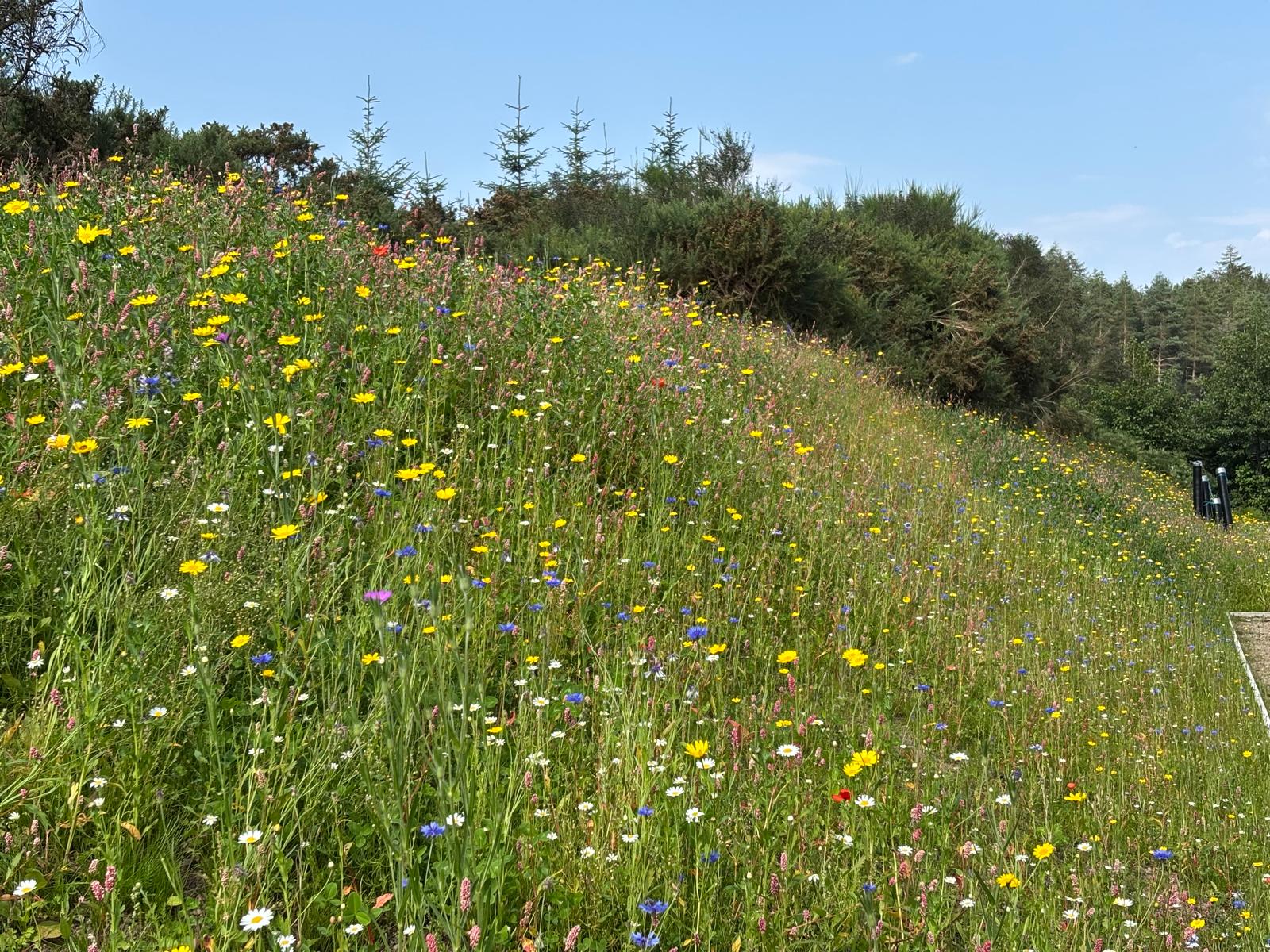
The mitigation hierarchy in action
Peat covers more than 20% of Scotland and stores significant amounts of carbon, making it a critical part of the country’s natural environment. In fact, Scotland’s peatlands hold the equivalent of around 140 years’ worth of the country’s total annual greenhouse gas emissions.
Formed from partially decomposed plant material in waterlogged conditions, peat develops over thousands of years and acts as a major natural carbon store. Disturbing peatland during construction can release stored carbon and damage sensitive habitats.
The Craig Murrail substation site - part of the Argyll and Kintyre 275 kV Substations Upgrade - is located on deep peat. The project required a carefully designed approach to minimise the impact of construction and maximise ecological value.
3-5
years of peatland restoration monitoring
Industry best practice and innovative solutions were embedded into peat management. Key measures included:
- developing access track designs to avoid deep peat where possible
- using existing tracks, orienting infrastructure and innovative engineering to minimise disturbance
- providing targeted training to plant operators.
The approach also included early engagement with regulators and adherence to the mitigation hierarchy (avoid, minimise, compensate).
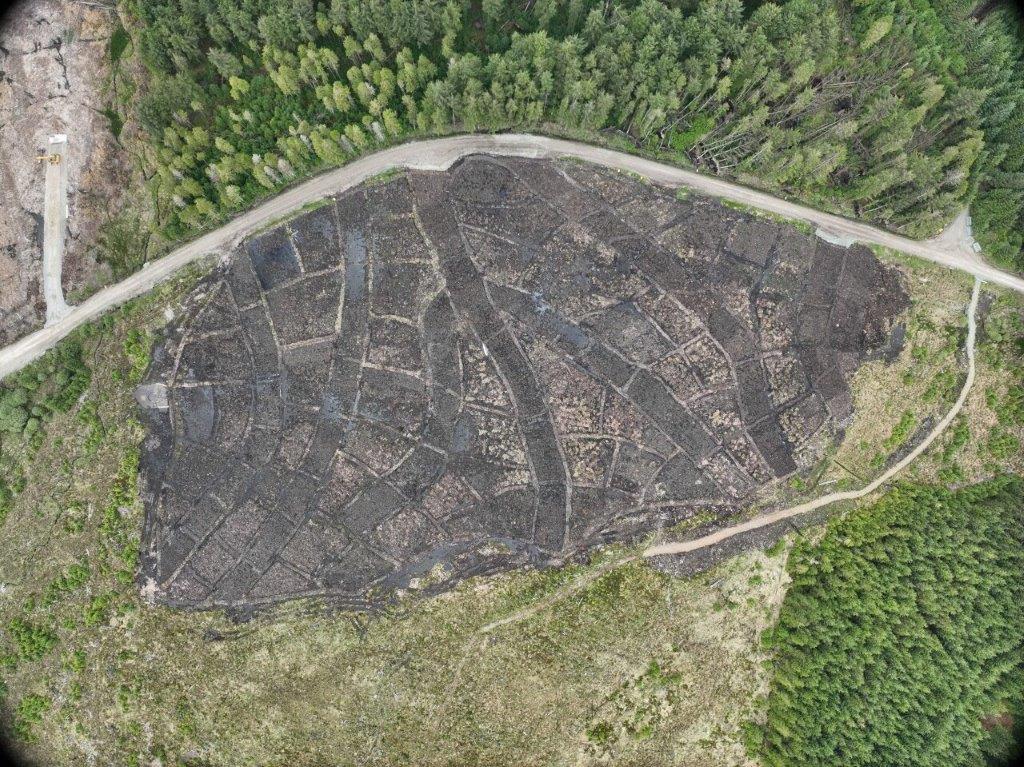
Excavated peat was relocated to nearby restoration areas, with careful handling and bund construction to promote revegetation. Over the next three to five years, restoration areas will continue to be monitored for sphagnum seeding and establishment.
These measures minimised disturbance to a sensitive habitat while supporting long-term peat restoration.
The project has also generated practical insights that are now informing peatland management approaches on further infrastructure projects, such as the Transport Scotland A9 Tomatin to Moy project.