Right First Time

Handing over with pride 

Quality starts before work begins. It means understanding what is required, using the right methods, tools and materials, checking as we go and being honest when something isn't right. 

Right First Time applies to everything we deliver, whether that's physical work, information, decisions or services. It reduces risk, avoids waste and helps us deliver work we are proud to put our name to. 

Getting it right builds confidence for our teams, customers and communities. 

Our commitments 

We start clear and capable 

Before work begins, we make sure we understand the task, the standard and how to deliver it properly. If anything is unclear, we ask. 

This gives us the best chance of getting it right first time, reducing errors and giving others confidence in our delivery. 

We use the right tools and materials 

We use the right specification, equipment and method to do the job properly. We do not accept shortcuts that create problems later. 

This supports consistent quality, less rework and better use of time and resources. 

We check, document and hand over with pride 

We check that our work meets the standard, record what matters and hand it over with confidence. 

This builds clear accountability, reliable handovers and confidence for colleagues, customers and partners. 

On our Lowestoft Tidal Walls scheme, the team introduced a rigorous approach to Inspection and Test Plans (ITPs), embedding quality checks throughout construction.

Detailed planning during mobilisation enabled the team to develop tailored ITPs for individual work packages, ensuring inspections were relevant and carried out at the right stages.

No work could begin without an approved ITP. Supported by checklists and defined inspection hold points, this approach strengthened quality assurance and established a process that could be applied to future projects.
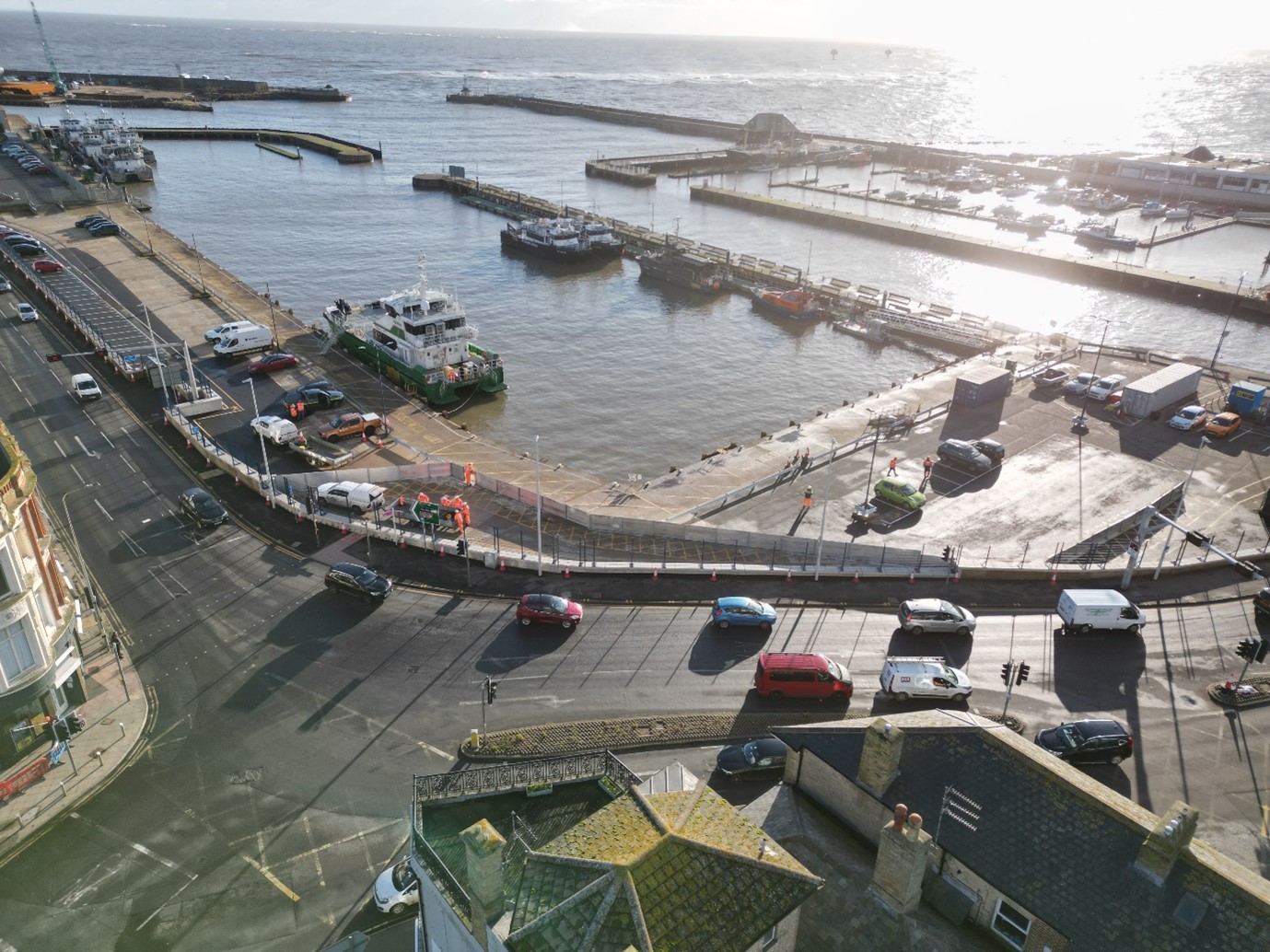

As part of our works for West Sussex County Council, we inspect the bridges across the county, including structures where height, waterways or restricted access make traditional inspections challenging.

To improve the process, our teams are trialling drones to capture high-resolution images and video, helping teams assess the condition of bridges safely and identify any maintenance required. 

This information supports better planning, ensuring the right skills, materials and equipment are available before repairs begin. Drones can also document completed work, while reducing the need for traffic management and disruption to the public.

Balfour Beatty Kilpatrick’s Off-site Solutions facility has supplied more than 10,000 metres of prefabricated pipework for major projects in the nuclear sector.

Quality is embedded throughout the manufacturing process, with every weld undergoing non-destructive testing and visual inspection.

This approach combined with the expertise of our skilled teams, has achieved a weld acceptance rate of over 99%, helping ensure pipework meets the required standards before it reaches site.

Using 4D modelling, our teams can plan and visualise construction before work begins on site. 

By combining digital models with project schedules, teams can better understand construction sequences, identify potential challenges and resolve issues early.

This approach supports more effective planning, improves productivity and helps us deliver Right First Time.

On the University of Manchester’s Engineering Campus Development, our teams used digital technology throughout the project to support planning, construction and handover. 

Using tools including BIM360, 3D scanning, 4D planning software such as Synchro, we developed a consistent data set that supported collaboration with the University and its stakeholders. 

The same information was used to plan and coordinate construction activities before being handed over to the building operators, providing a valuable record to support efficient ongoing maintenance and operation.